Introduction: The Scale of Digital Moderation
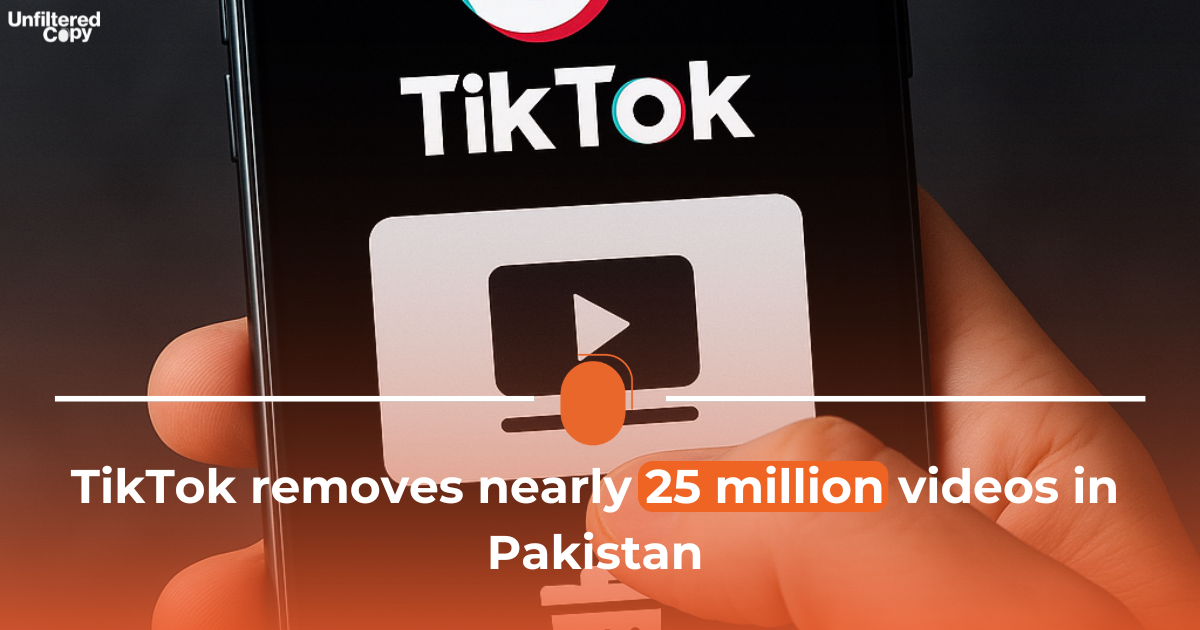
Imagine a team deleting over 277,000 videos every single day for three months straight. That is the staggering reality of TikTok’s content moderation efforts in Pakistan, as revealed in its Q1 2025 Community Guidelines Enforcement Report. The removal of 24.9 million videos from the Pakistani segment of the platform in just one quarter is a figure that demands analysis. It speaks volumes about the volume of content, the strictness of community standards, and the immense, often invisible, work of automated systems tasked with shaping our digital environment.
The Numbers: A Deep Dive into the Data
The statistics from January to March 2025 paint a picture of hyper-vigilant enforcement:
- Pakistan-Specific Removals: 24,954,128 videos removed.
- Proactive Removal Rate: 99.4%. This is arguably the most critical metric. It means that TikTok’s AI-driven moderation tools detected and flagged the overwhelming majority of violative content before a user had to report it. This shifts the narrative from reactive policing to pre-emptive filtering.
- Speed of Action: 95.8% of those videos were removed within 24 hours of being posted. This “sub-24-hour” takedown window is crucial for limiting the virality and potential harm of content that violates policies on hate speech, bullying, or graphic material.
These Pakistan-specific figures exist within a global context. Worldwide, TikTok removed 211 million videos, which represents approximately 0.9% of all content uploaded to the platform in Q1. This global percentage helps frame the Pakistan data, suggesting an enforcement intensity that aligns with or potentially exceeds global averages relative to the user base.
The “Why”: What Kind of Content Gets Removed?
While the report does not break down the specific categories for Pakistan, it provides a crucial global insight: 30.1% of all removed videos globally pertained to “sensitive or mature themes.” This broad category likely encompasses adult content, sexually suggestive material, and other forms of content deemed inappropriate for TikTok’s diverse, youth-inclusive audience.
Other common violations leading to removals globally, and by extension in markets like Pakistan, typically include:
- Safety Minors: Content that endangers or exploits young users.
- Hateful Behavior: Bullying, harassment, and attacks based on protected attributes.
- Violent & Graphic Content: Including incitement to violence.
- Integrity & Authenticity: Misinformation, impersonation, and spam.
The high proactive removal rate specifically for “sensitive themes” suggests that TikTok’s algorithms are particularly tuned to detect visual and textual cues related to adult content.
The Mechanism: How Does This Massive Removal Happen?
The 99.4% proactive rate is the key to understanding the scale. This is not achieved by human reviewers alone. It is the product of a sophisticated, multi-layered system:
- AI and Machine Learning: Algorithms constantly scan uploads for known violative patterns in visuals, audio, and text.
- Human-AI Partnership: Flagged content is often reviewed by human moderators (including teams familiar with local languages and cultural contexts) for final decisions, especially in nuanced cases.
- User Reports: While accounting for only 0.6% of Pakistani removals, user reports are vital for catching new or evolving forms of policy-breaking content that the AI hasn’t yet learned to detect.
The Implications: Safety, Censorship, and Digital Culture
This data release has multi-faceted implications:
- For User Safety: The numbers can be presented as evidence of TikTok’s “ongoing commitment to creating a safe digital space,” as stated in its report. For parents and regulators concerned about online harms, high proactive removal rates are a positive metric.
- The Censorship Debate: However, such aggressive, automated moderation inevitably raises questions about overreach. What cultural nuances might the AI miss? Could satirical, artistic, or socially critical content be wrongly caught in this 25-million-video net? The lack of granular data on appeal and restoration rates for Pakistan is a gap in this transparency.
- Impact on Pakistani Digital Creativity: With nearly 25 million pieces of content removed, one wonders about the chilling effect. Are creators self-censoring to avoid the algorithmic axe? This massive cleanup shapes the very nature of trends, humor, and expression that define Pakistani TikTok.
- Regulatory Context: This aggressive moderation occurs against the backdrop of Pakistan’s history of temporarily banning the platform and pressuring tech companies for stricter local content controls. The report can be seen as TikTok demonstrating compliance and pre-empting regulatory action.
The Bigger Picture: Transparency as a Policy Tool
By publishing these reports, TikTok engages in a form of “governance by data.” It attempts to shape the narrative around its platform, emphasizing control and safety. For researchers and watchdogs, this data is a starting point for harder questions about algorithmic bias, the working conditions of moderators, and the appeal process for wrongfully removed content.
Conclusion: A Platform Policing Itself at Scale
The removal of 24.9 million videos in Pakistan is a testament to the sheer scale of digital activity and the monumental effort to govern it. It highlights a world where platform rules are enforced not primarily by human judgment, but by automated systems working at lightning speed. While the intentions behind creating a “safe” space are clear, these figures also serve as a powerful reminder of the immense control a single platform wields over public expression and cultural discourse in a country. The challenge for the future lies in balancing this necessary safety with the protection of creative freedom and ensuring that the mechanisms of removal are as just and transparent as they are efficient.